


Pinterest has opened a major AI and engineering hub in Greater Zurich, reinforcing the region's position as a global hotspot for AI talent. Drawn by strong machine learning expertise, AI-native graduates, and a world-class research ecosystem, the company is scaling core capabilities in recommendations, visual search, and shopping from Switzerland.

How global tech leaders like Pinterest leverage Greater Zurich’s AI talent
In summer 2025, Pinterest confirmed what many in the tech community had been anticipating: the visual discovery and search platform opens a major AI and engineering hub in Zurich. For the Greater Zurich Area, this move underscores the region’s strength as a hub for AI research and top-tier engineering talent.
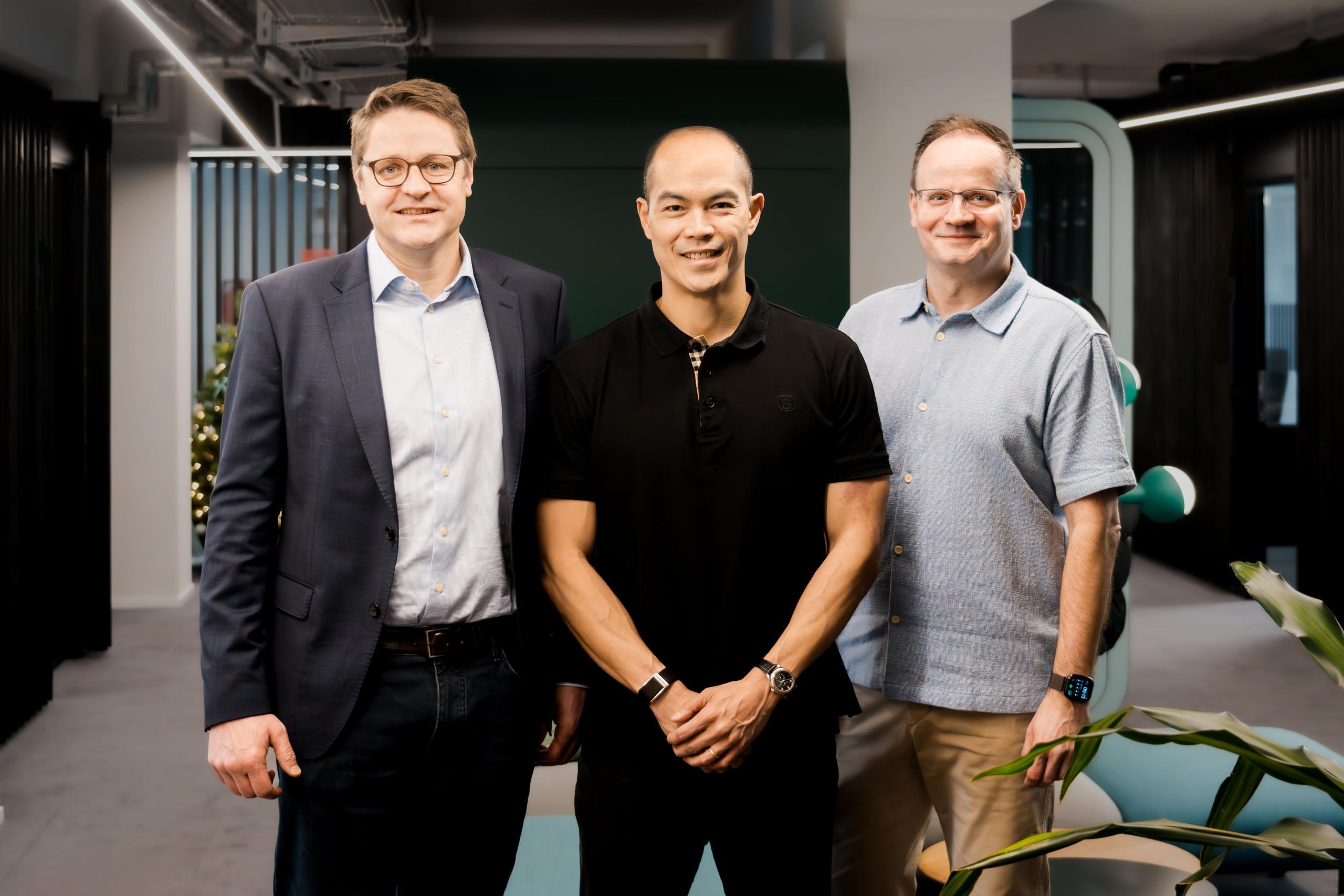
Pinterest is not a typical social network. While many platforms face slowing user growth, Pinterest continues to draw and engage users around the globe with its unique blend of inspiration, discovery, and shopping. It reports hundreds of millions of monthly active users, a majority of whom come to the platform with an eye toward inspiration and intent to act. A significant part of Pinterest’s strategy now centers on AI-powered recommendation systems, visual search, and personalized shopping experiences, which underpin both user engagement and commercial relevance.
As Pinterest expands its AI capabilities in recommendations, visual search, and shopping, it also treats responsible AI as a core requirement for product quality and user trust. That means designing AI systems that support constructive user journeys, reduce the likelihood of harmful or misleading outcomes, and improve inclusiveness in discovery as the platform scales globally. In engineering terms, this means adding transparency and user controls, monitoring and reducing bias in search and recommendations, and applying strong safety checks to any generative AI features. These foundations support AI innovation while keeping the platform positive and reliable.


Why Greater Zurich? Talent and AI at the centre
The decision to base a key part of Pinterest’s global engineering operations in Zurich comes down to one fundamental factor: talent. Pinterest’s Chief Technology Officer, Matt Madrigal, points to the «incredible engineering and product talent» in the Zurich region - especially in machine learning and AI - as a major reason to build here. He describes Greater Zurich as a place with deep technical expertise in areas that are core to Pinterest’s future product roadmap.
Equally important for Pinterest is the ecosystem around local universities, particularly ETH Zurich. CTO Matt Madrigal highlights how this environment produces not only experienced engineers but also «AI natives» - graduates who have grown up using modern AI tools. VP Engineering and Zurich site lead Matthias Zenger sees this mix of seasoned specialists and new AI talent as key to scaling teams in machine learning, platforms, and shopping technology.
Pinterest’s leadership also highlights a broader strategic rationale: the company’s user base is global, with a strong proportion outside North America. Building engineering capacity in Europe, and particularly in Switzerland, brings product development geographically closer to that audience and enriches the company’s internal perspectives.
Discover Greater Zurich's talent edge
Discover Greater Zurich's talent edge
Gain valuable insights into navigating the Swiss and European DeepTech talent market, learn about talent costs and culture, and how to optimize your recruitment strategies according to seasoned professionals. It is an essential guide for any company evaluating European expansion.

What Pinterest means for Greater Zurich's tech ecosystem
Pinterest’s choice of Zurich adds another internationally recognized technology company to a region already attracting global players across AI and digital innovation. Over the past decade, tech firms with AI research and development hubs have increasingly looked to the Greater Zurich region for its combination of academic strength, quality of life, and access to world-class international talent.
For the Greater Zurich Area, Pinterest's expansion reinforces a broader narrative: the region is not just a strong financial centre, but also one of Europe's most dynamic hubs for technology and innovation. Companies like Pinterest that focus on AI, machine learning, and sophisticated platform engineering are now choosing Greater Zurich as a strategic base - a signal that the region’s investment in research partnerships, workforce development, and international connectivity is paying off.

Dive deeper into the AI ecosystem
Dive deeper into the AI ecosystem
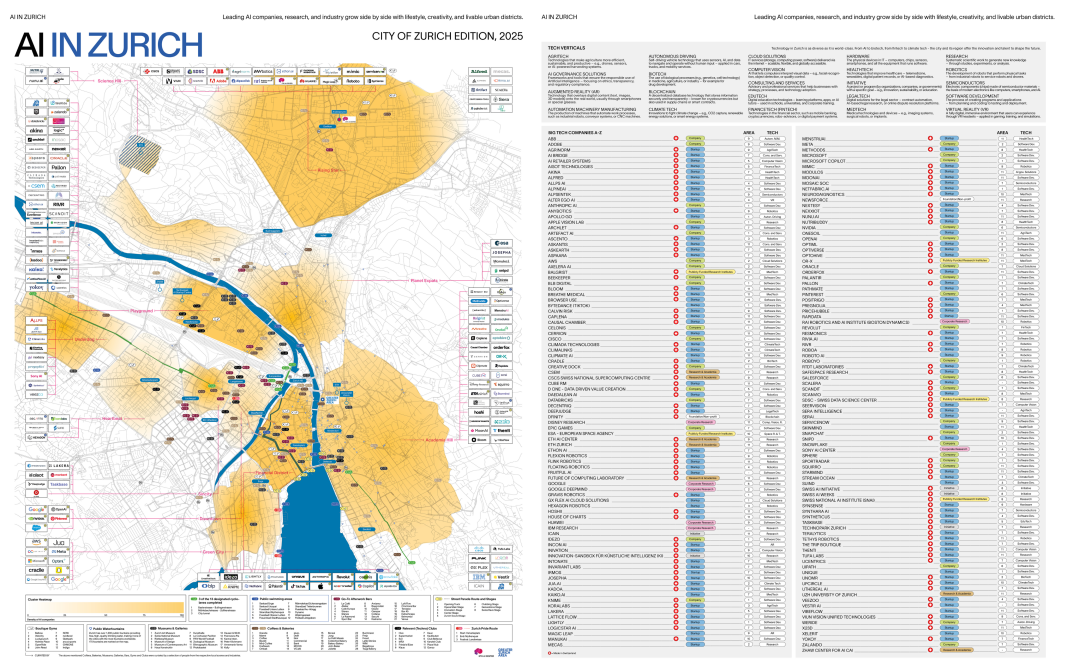
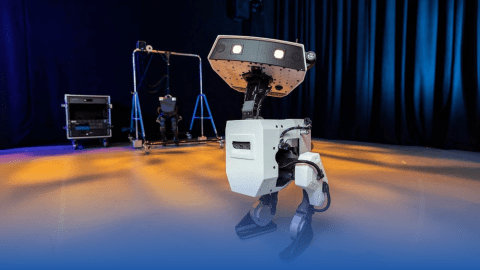
Discover the first comprehensive map of Zurich’s AI and robotics ecosystem. It highlights more than 185 companies, startups, research labs, and initiatives that drive one of Europe’s most innovative tech regions.
The map is now also available as an A1 print.











Ready to unlock your opportunities in Greater Zurich?
Ready to unlock your opportunities in Greater Zurich?
Is Greater Zurich on your expansion radar? We support you on every step of your expansion journey - from location evaluation to fact finding visits.
Our services are free of charge and include:
- Introductions to essential contacts across industry, academia, and government
- Location evaluation support to find the ideal base for your business
- Guidance on regulations and connections to trusted service providers
- And much more, customized to meet your needs

Frequently Asked Questions
Business environment
What are the corporate tax rates in the Greater Zurich Area?
Corporate tax rates in Greater Zurich range from 12% to 24%, depending on the canton and municipality. Switzerland’s decentralized structure allows for regional tax autonomy.
Why should international tech companies consider expanding to the Greater Zurich Area?
The Greater Zurich Area offers economic and political stability, access to the European market, a highly qualified workforce, pragmatic regulations, and a competitive tax system. Further, the region is a global hub for innovation with world-class infrastructure, making it an ideal destination to grow business internationally.
Find out more about Greater Zurich as a leading location for expanding companies.